The Short Answer: Yes
Multiple studies over the past two decades have found a consistent link between music education and improved academic performance. Children who take regular music lessons tend to score higher in maths, reading, and language tests.
This isn't just about "smart kids choosing music." The research suggests that learning an instrument actually changes how a child's brain develops -- strengthening the exact neural pathways they need for school.
Music Builds Stronger Memory
Learning to play an instrument requires constant memorisation. Notes, rhythms, finger positions, entire pieces. Over time, this practice physically strengthens the hippocampus -- the part of the brain responsible for memory.
A 2020 study published in the Journal of Neuroscience found that children with just two years of music training showed measurably improved verbal memory and reading ability compared to peers without musical training.
For parents, this translates into real classroom advantages. A child who can retain and recall information more effectively will do better in subjects like science, history, and languages.
It Sharpens Focus and Concentration
A one-hour music lesson demands sustained concentration. Your child is reading notation, coordinating both hands, listening to pitch, counting beats, and adjusting dynamics -- all simultaneously.
This kind of multi-tasking under focus is rare in most children's activities. Over months and years, it trains the brain to sustain attention for longer periods. Parents often tell us that their child's concentration at school improved noticeably within the first year of music lessons.
In a world of short attention spans and constant screen distractions, the ability to focus deeply on one task is becoming one of the most valuable skills a child can develop.
Music and Maths Are Connected
This one surprises parents, but it's well documented. Music is built on mathematical patterns -- rhythm, timing, counting, fractions, ratios.
When your child learns that a dotted crotchet is worth 1.5 beats, or that a bar of 6/8 time divides differently from 3/4, they're doing applied mathematics without realising it.
Research from the University of British Columbia found that students who participated in music programmes scored significantly higher in maths assessments than those who didn't. The effect was strongest for students who played instruments rather than just singing.
Language Development Gets a Boost
Music training strengthens the left hemisphere of the brain -- the same area responsible for language processing. Children who learn music tend to develop larger vocabularies, better reading comprehension, and stronger verbal reasoning.
This is especially relevant for children growing up in Dubai, where many families speak multiple languages at home. Music training supports the neural flexibility that helps children switch between languages and absorb new vocabulary faster.
Singing lessons are particularly effective for language development, but any instrument helps. The act of reading musical notation is itself a form of literacy -- decoding symbols into meaning.
Confidence and Emotional Regulation
Academic performance isn't just about cognitive ability. It's also about confidence, resilience, and emotional management. A child who freezes during a school presentation or gives up when a problem feels hard will underperform regardless of their intelligence.
Music lessons build these skills naturally. Every recital teaches a child to manage nerves and perform under pressure. Every difficult passage they eventually master teaches them that persistence pays off.
At Melody Makers, we see this transformation constantly. A child who arrives shy and uncertain gradually becomes someone who can walk onto a stage and perform in front of an audience. That confidence carries directly into the classroom.
What Age Should You Start?
The earlier the better, but it's never too late. Research shows that the brain benefits of music training are strongest when started before age 7, but children who begin at 10 or 12 still show significant improvements.
For young children (ages 4-6), lessons should be fun and play-based. The goal at this stage is to build a love of music, not drill technique. Structured learning with clear goals works better from age 7 onward.
At Melody Makers, we offer private and small group lessons for children from age 4, adapting our approach to each child's developmental stage.
Which Instrument Is Best for Academic Benefits?
Honestly? Any instrument works. The cognitive benefits come from the act of learning music, not from the specific instrument.
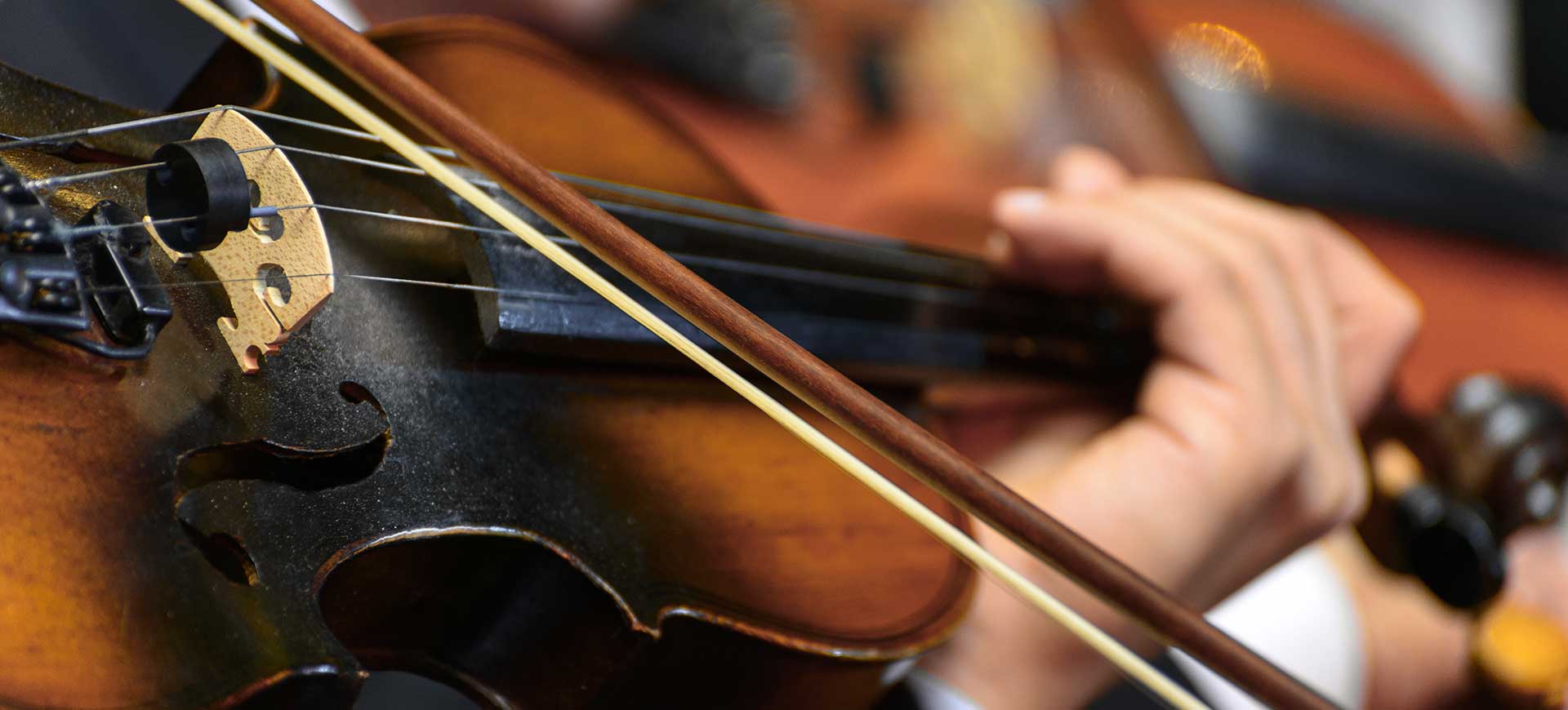
That said, piano and keyboard are popular starting points because they're visually logical -- notes go left to right, low to high. Violin develops exceptional fine motor control. Drums build coordination and rhythmic intelligence.
The best instrument is the one your child is excited about. Motivation matters more than the instrument itself. If they want to play guitar because they saw someone cool playing guitar, start with guitar. The brain benefits will follow.